
Meet the Money Mindset Animals
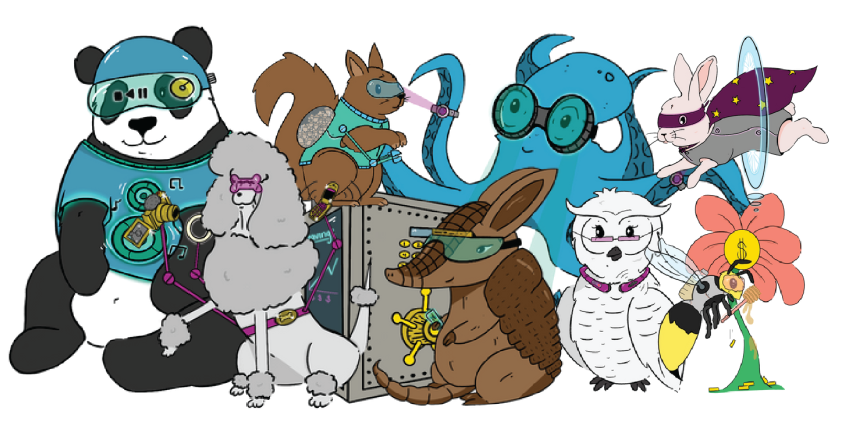
Defensive Armadillo
Armadillos are resilient and guarded, often using protective strategies to avoid financial vulnerability. However, this can lead them into a cycle of debt, feeling overwhelmed by financial responsibilities. They may lack the skills or confidence to manage their finances, often relying on their "armor" to cope rather than confronting the issue.
With guidance, they can break free from debt and move toward financial stability. Their natural resilience allows them to face adversity head-on, giving them the potential to achieve financial freedom with proper management.
With guidance, they can break free from debt and move toward financial stability. Their natural resilience allows them to face adversity head-on, giving them the potential to achieve financial freedom with proper management.
Hustler Bee
Bees are disciplined and driven, always striving to earn and accumulate wealth. They are often drawn to entrepreneurship and thrive in competitive environments. However, their focus on financial success can sometimes come at the cost of personal relationships and work-life balance.
By practicing moderation and setting healthy boundaries, Bees can achieve financial success without the risk of burnout or social isolation.
By practicing moderation and setting healthy boundaries, Bees can achieve financial success without the risk of burnout or social isolation.

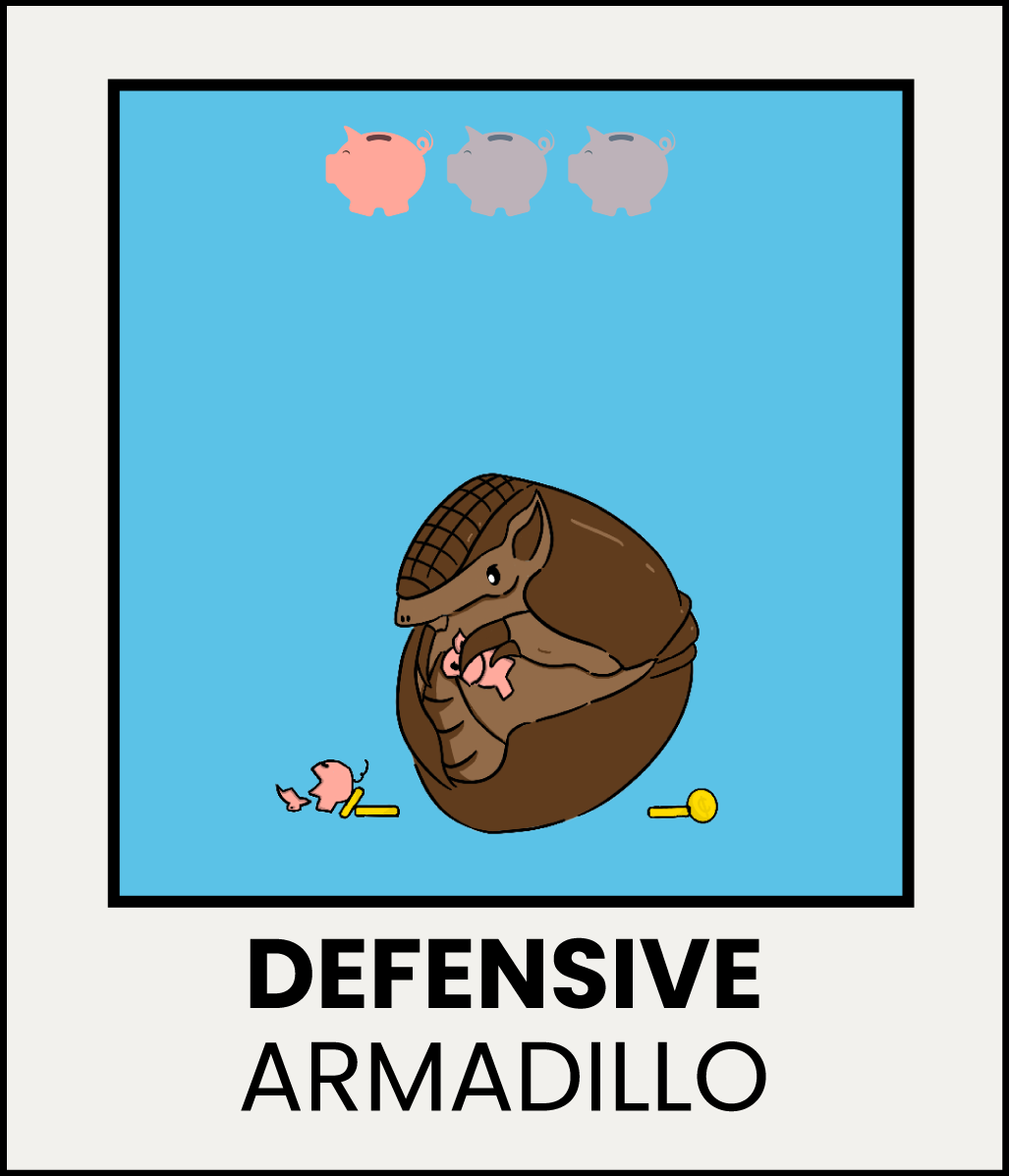
Shopper Octopus
Octopuses are adventurous shoppers, always searching for their next great find. They multitask well and are skilled at comparing prices and finding deals. However, their love for shopping can sometimes lead to impulsive purchases and even retail therapy.
By focusing on long-term financial goals and controlling their spending habits, Octopuses can channel their skills into effective budgeting and financial health.
By focusing on long-term financial goals and controlling their spending habits, Octopuses can channel their skills into effective budgeting and financial health.
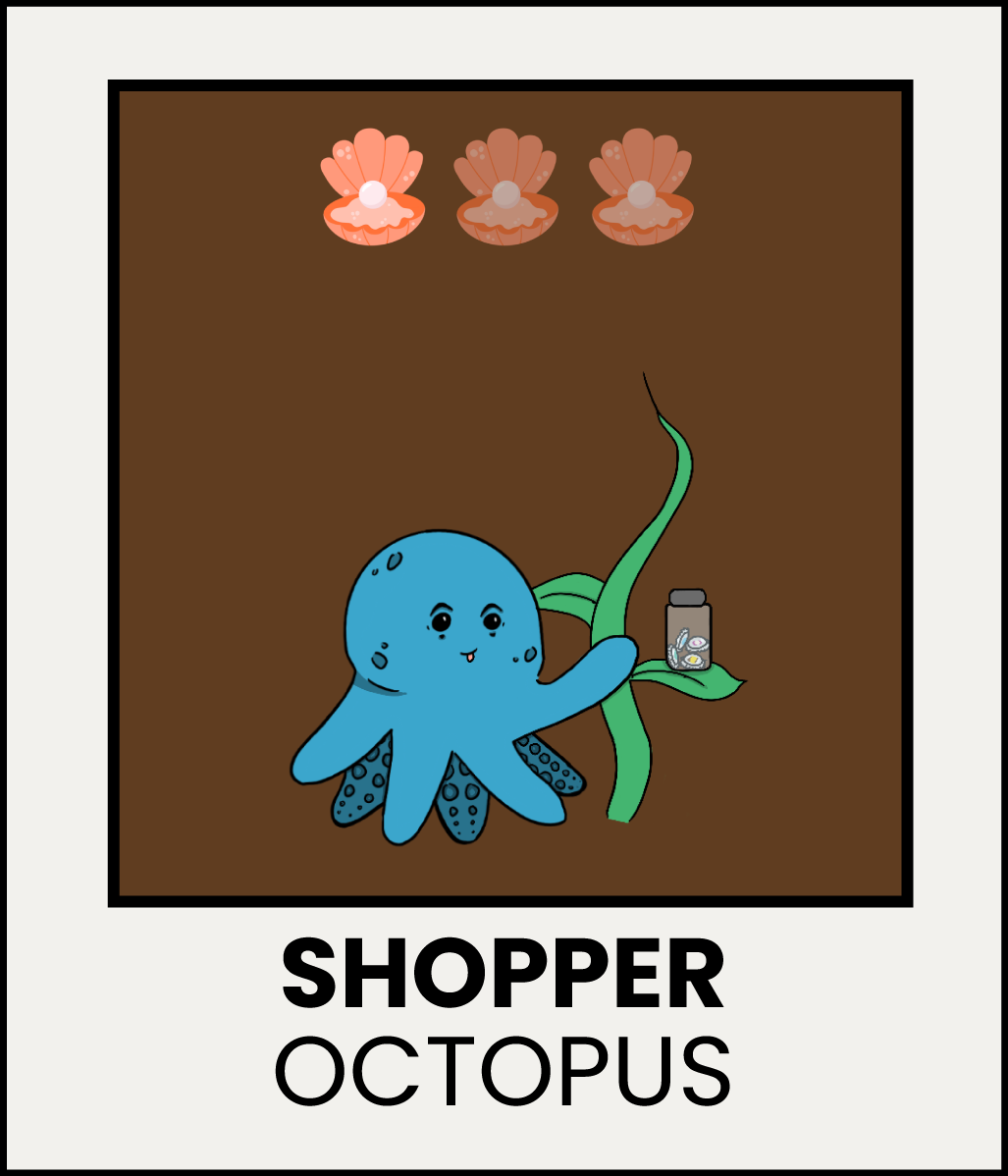
Investor Owl
Owls are thoughtful and wise regarding their finances, focusing on long-term investments and carefully analyzing risks. They tend to avoid impulsive decisions, instead making choices based on careful planning and future rewards.
Their focus on delayed gratification helps them navigate financial markets effectively, though they must remain aware of market volatility and the need for liquidity.
Their focus on delayed gratification helps them navigate financial markets effectively, though they must remain aware of market volatility and the need for liquidity.
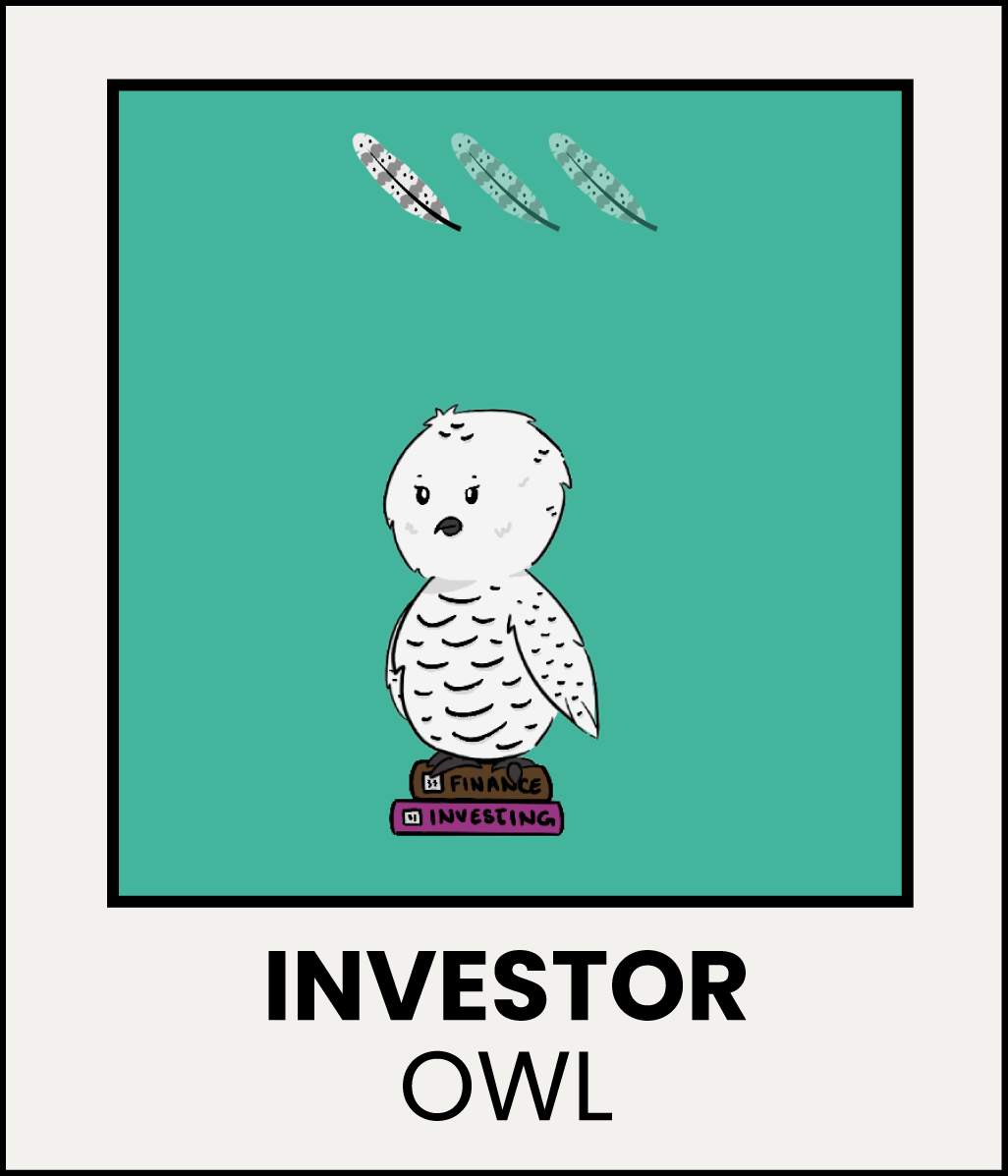
Indifferent Panda
Pandas take a relaxed and carefree approach to their finances, often focusing on personal happiness over material wealth. They live in the moment and prioritize necessities, but this lack of concern for financial planning can leave them unprepared for future challenges.
While their modest lifestyle is admirable, taking a more active approach to managing money will help Pandas secure their financial future without sacrificing their sense of peace.
While their modest lifestyle is admirable, taking a more active approach to managing money will help Pandas secure their financial future without sacrificing their sense of peace.

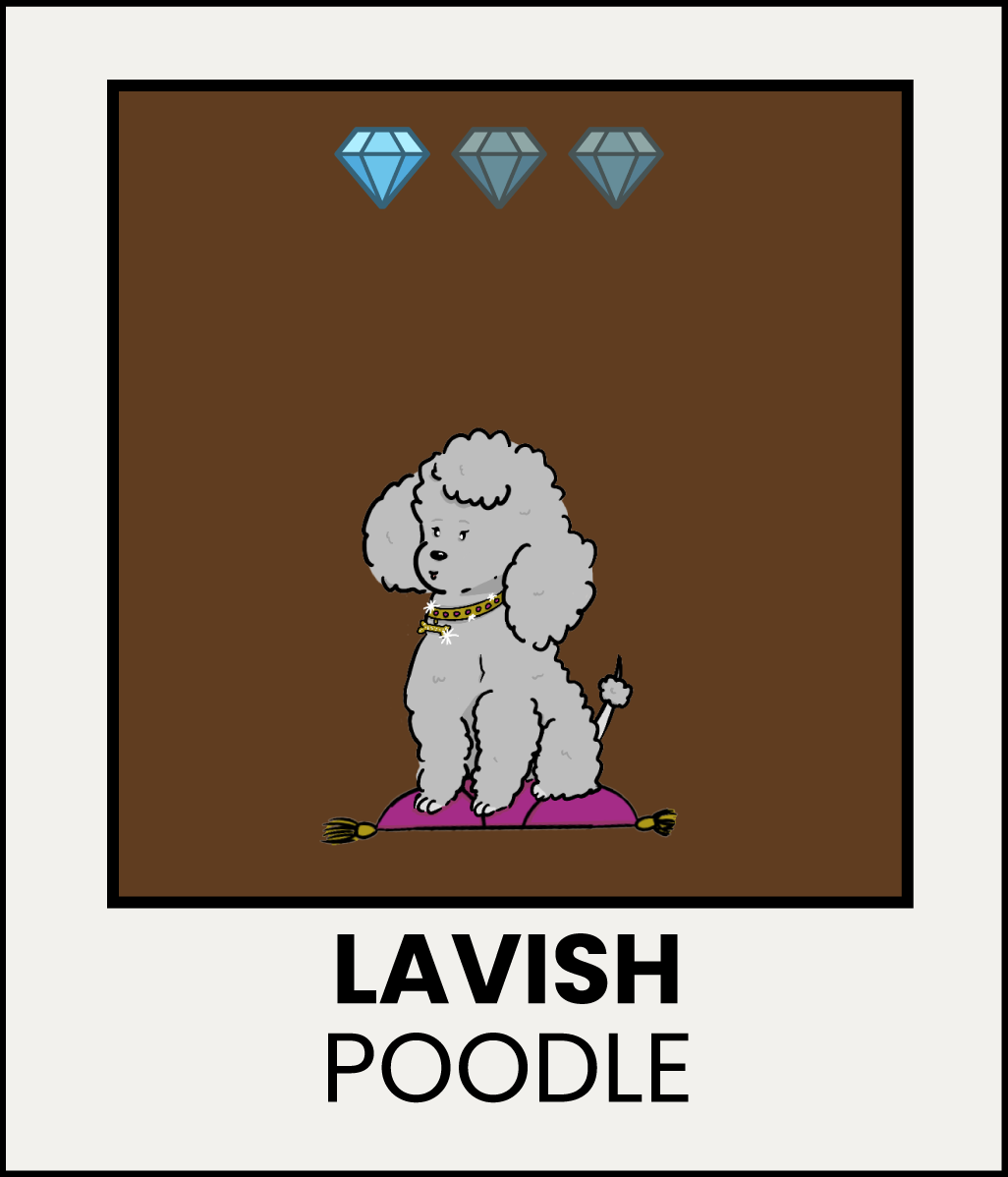
Lavish Poodle
Poodles are high achievers who express their success through lavish spending and luxury. They are generous and enjoy treating themselves and others to grand gestures. However, they can struggle with overspending on nonessential items to maintain a particular lifestyle or social image.
Balancing enjoyment with financial responsibility is key for Poodles, helping them avoid financial instability while still achieving their desired lifestyle.
Balancing enjoyment with financial responsibility is key for Poodles, helping them avoid financial instability while still achieving their desired lifestyle.
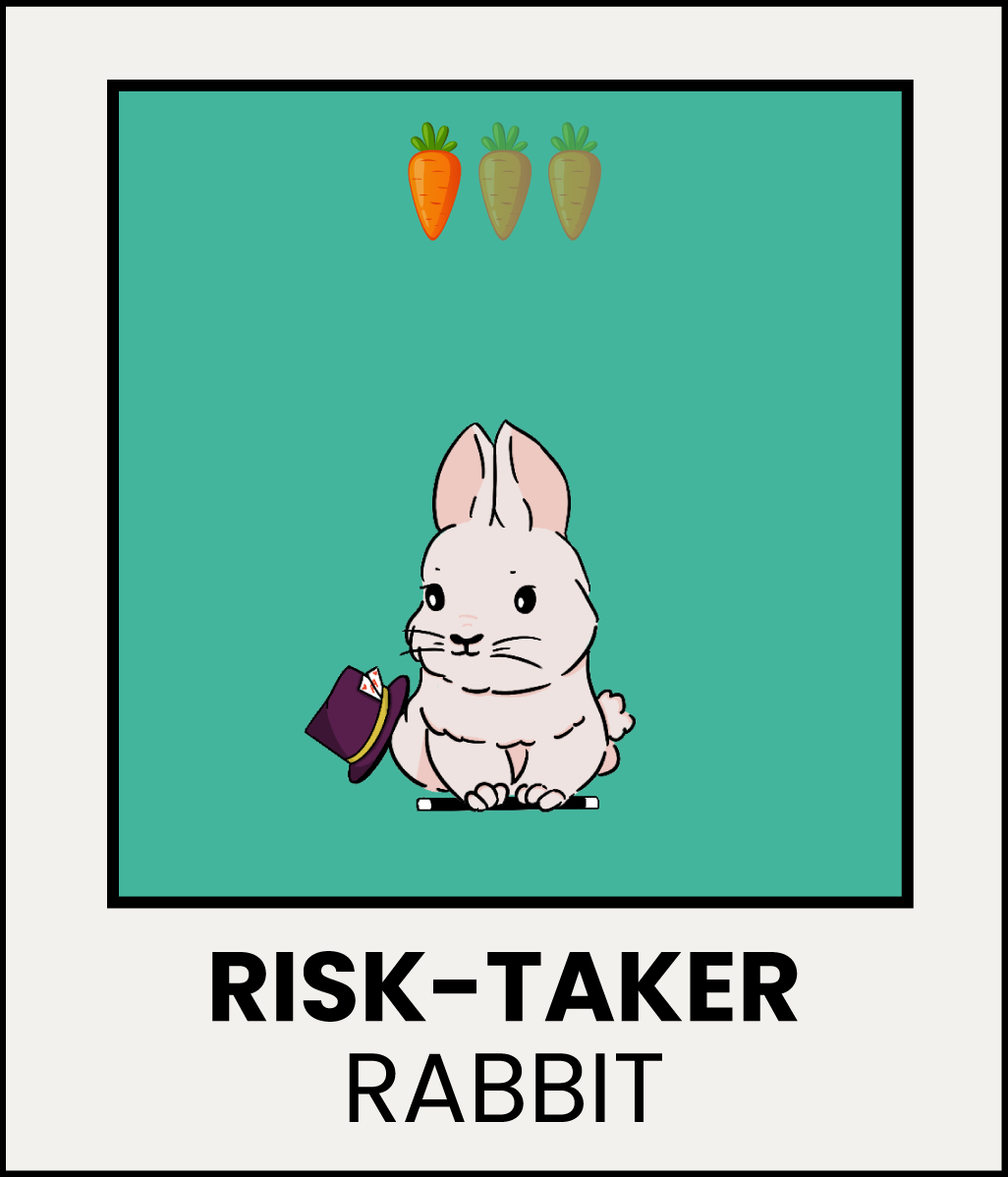
Risk-Taker Rabbit
Rabbits are impulsive and thrive on high-risk, high reward opportunities. They are quick decision-makers who enjoy the excitement of financial risks, which can lead to instability if they aren't careful. Without discipline and self-control, Rabbits may gamble away their financial security.
Responsible gambling and strategic risk management can help them enjoy the thrill without the downsides of monetary loss.
Responsible gambling and strategic risk management can help them enjoy the thrill without the downsides of monetary loss.
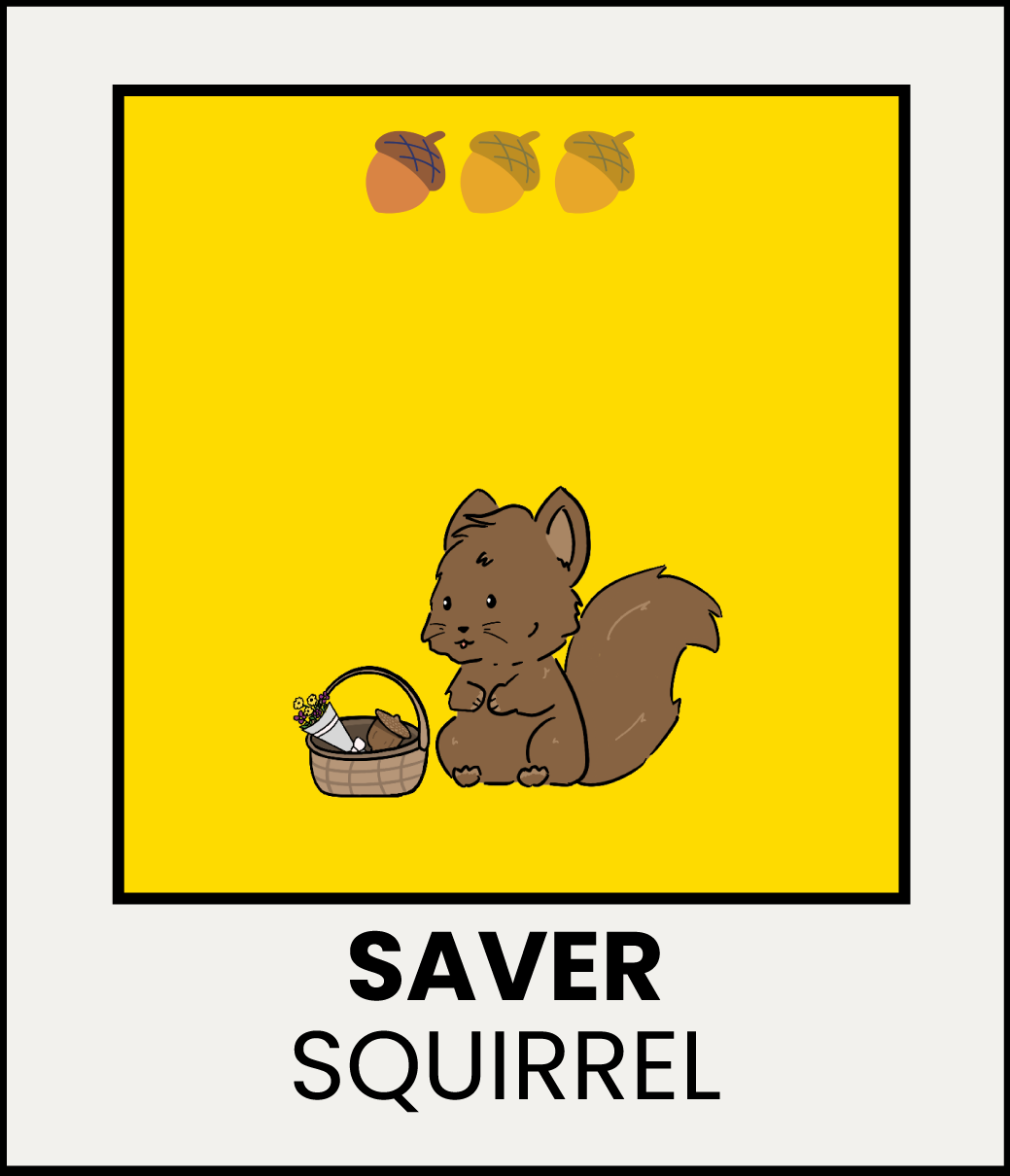
Saver Squirrel
Squirrels are natural savers who prioritize financial security and future preparedness. They are adept at cutting costs and saving for the long term but may struggle to decide what to do with their savings. Their risk-averse nature can lead them to miss out on investment opportunities that could grow their wealth.
With a more balanced approach to risk, Squirrels can make their savings work harder for them, ensuring a secure financial future.
With a more balanced approach to risk, Squirrels can make their savings work harder for them, ensuring a secure financial future.
Growing Your Mindset
Understanding your money personality can be a helpful first step in building a healthier relationship with money. Each personality type comes with its own strengths, motivations, and potential challenges.
The development tips below are designed to help you build on your natural advantages while also addressing habits that could hold you back.
Remember, these suggestions are meant to support growth and self-awareness, not to label or limit you. Many people relate to more than one personality, and your financial habits can evolve over time as you learn, gain experience, and set new goals.